
// Do More With What You Own
We Made the Cameras They Already Owned Recognize Faces and Plates
A multi-camera facility
The story in briefInstead of buying an expensive new AI camera system, we added an intelligence layer to the cameras the site already had. It recognizes and logs every face and license plate, lets staff tag people and vehicles as known, watch, or flagged, shows a live annotated camera wall, and alerts the instant a flagged entity appears — running on hardware that was headed for retirement.
The situation
The site had working cameras and wanted them to be smarter — to recognize who and what was on them, and to raise a hand when something flagged showed up. The obvious path was a commercial AI-surveillance platform, with new cameras and premium recurring fees attached.
Why the usual options fell short
Ripping out cameras that worked perfectly well to buy an AI-branded replacement is expensive and wasteful, and the platforms that offer recognition charge premium monthly fees on top of the hardware. The capability the site wanted — recognition and alerting — is a software problem, but it was being sold as a hardware-and-subscription problem.
What we built
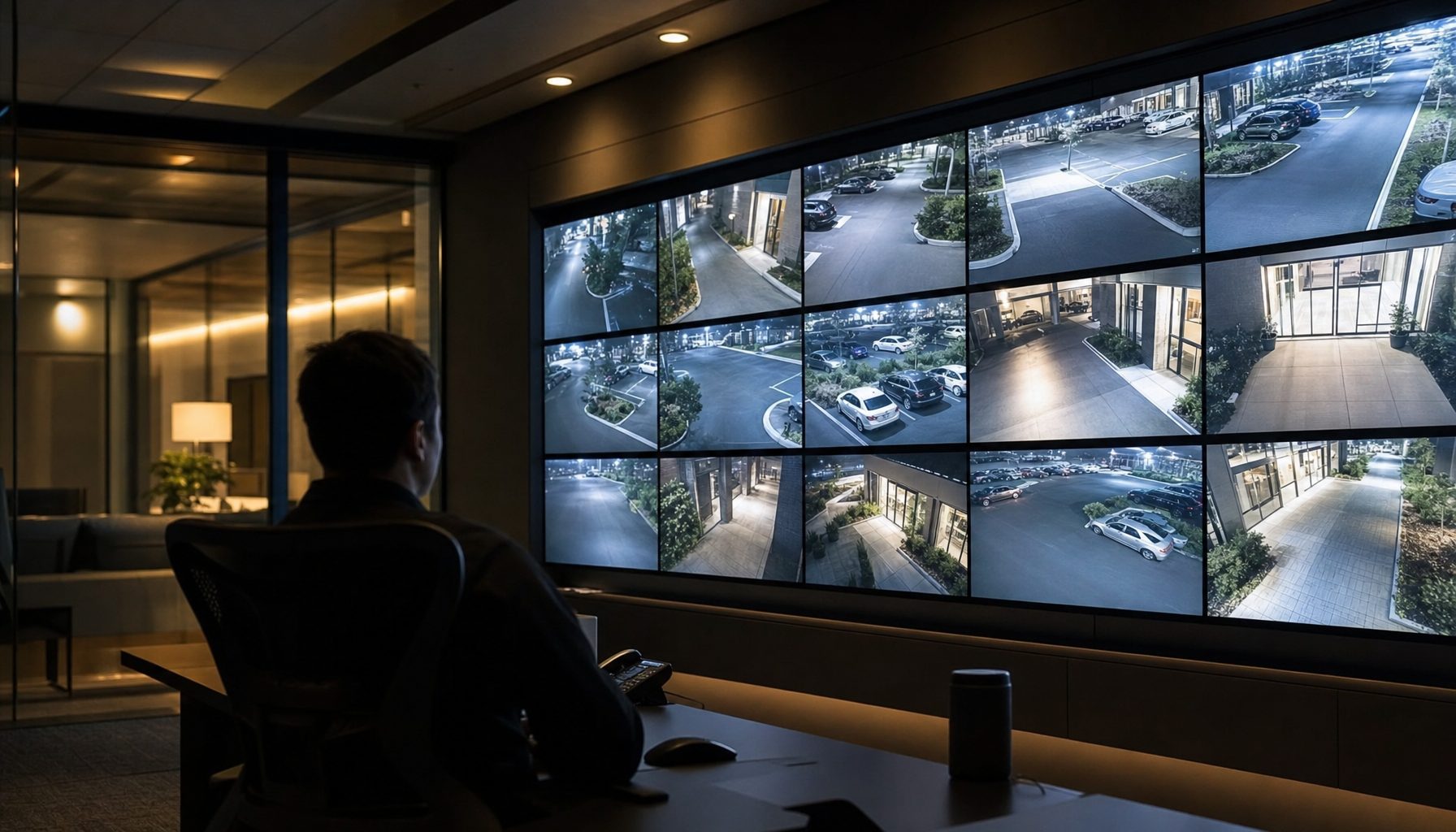
A non-invasive analytics layer that reads the existing camera feeds and records every recognized person, by face, and vehicle, by license plate. Staff tag each one green for known, yellow for watch, or red for flagged, with notes. A live wall shows the cameras with the detections drawn on screen, and when a red-flagged face or plate appears, the system raises an alert immediately. Adding AI to existing cameras this way is a well-understood approach — the analytics ride on top of the video stream, no camera replacement required.
The part they didn’t expect
It runs on hardware they already had — equipment that was on its way to being decommissioned — and it layers onto the existing cameras without touching or replacing a single one. New capability, old equipment, no rip-and-replace, and the footage and recognition data stayed entirely in-house.
The payoff
- Face and license-plate recognition on cameras that never had it, with zero cameras replaced.
- Instant alerts on flagged people or vehicles, and a live annotated camera wall.
- Premium AI-surveillance capability without premium recurring fees.
- Runs on repurposed hardware, keeping footage and recognition data under the client’s control.
// is this you?
If this sounds like a problem you recognize — even if you never pictured building your own answer to it — that is usually the sign. Describe your version and a senior engineer will tell you plainly whether it is the kind of thing we build.
Start a project// common questions
Questions about this kind of build
Do we have to replace our cameras?
No — that is the whole point. If your cameras are IP-based and stream over standard protocols, the analytics layer reads their existing feeds. Most current cameras already exceed the resolution and frame rate reliable detection needs.
What can it actually detect?
It logs every recognized face and license plate, lets staff tag each as known, watch, or flagged with notes, and fires an alert immediately when a flagged entity is seen. A live wall shows the cameras with detections drawn on screen.
Where does the video and data live?
On infrastructure you control. This particular build ran on repurposed hardware the client already owned, keeping both the footage and the recognition data in-house.
// next step
Have a system in mind?
Describe what you are trying to build or fix. A senior engineer reviews every inquiry and responds directly, with a technical read on the problem.